
Football
Champions League final: How Luis Enrique's Paris St-Germain have been transformed
bbc.com
•29 May 2026, 10:00 PM
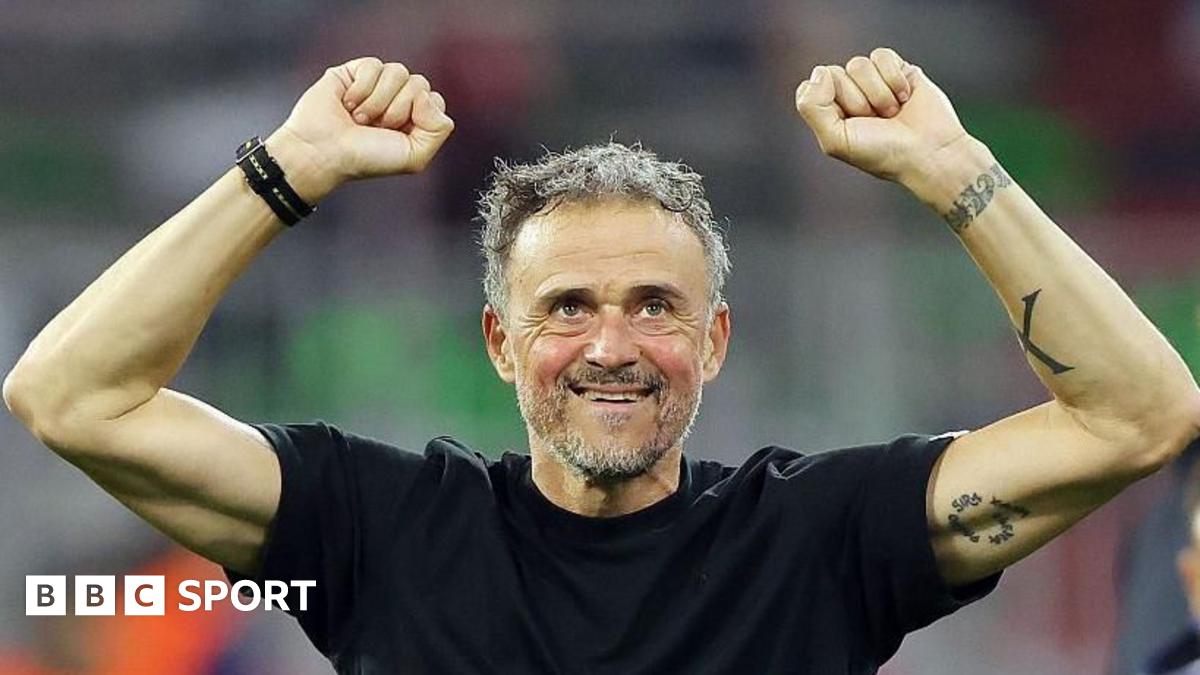

Al‑Khelaifi publicly declared the end of the bling‑bling era. Instead of asking how to win the Champions League, the starting question became, "What kind of football do we want to play?" The answer was attacking football with French players at its heart. This reshaped everything that followed. The man appointed to lead PSG into the new dawn was Luis Enrique.
For the first time in the QSI era, the club chose a footballing identity first, then selected the coach, then built the squad. What happened next was a mixture of a needed change in club mentality and the arrival of the Spanish manager - a force of nature. Messi, Neymar, Mbappe, Marco Verratti, Sergio Ramos - icons of the previous era - were moved on. The club was not punishing them; they had to reset the order of priorities and no player would be above the team.
Luis Enrique enforced discipline with a clarity PSG had lacked for years. He asked Mbappe to work harder and when his request fell on deaf ears was pleased to see him depart. A defining moment occurred at the end of September last season when Ousmane Dembele arrived late for training before the Champions League league phase game against Arsenal. It was only 10 minutes but the coach dropped him immediately.
Dembele would go on to win the 2025 Ballon d'Or. Players responded. When Dembele was substituted, he encouraged his replacement rather than sulking. Injured players were required to attend training sessions.
The results were visible in the shape of titles but also in the little details. PSG became the team with the fewest yellow cards in Europe's top leagues as players stopped arguing with referees, stopped indulging in theatrics and embraced a disciplined, unified approach. Luis Enrique much prefers to have five players scoring 10-12 goals each over one player scoring 40. This season, PSG had 20 different goalscorers - a testament to the collective approach.