
International
Florida lawmakers describe Miami-Dade as the poster child for wasted tax dollars
miamiherald.com
•5 June 2026, 10:00 PM
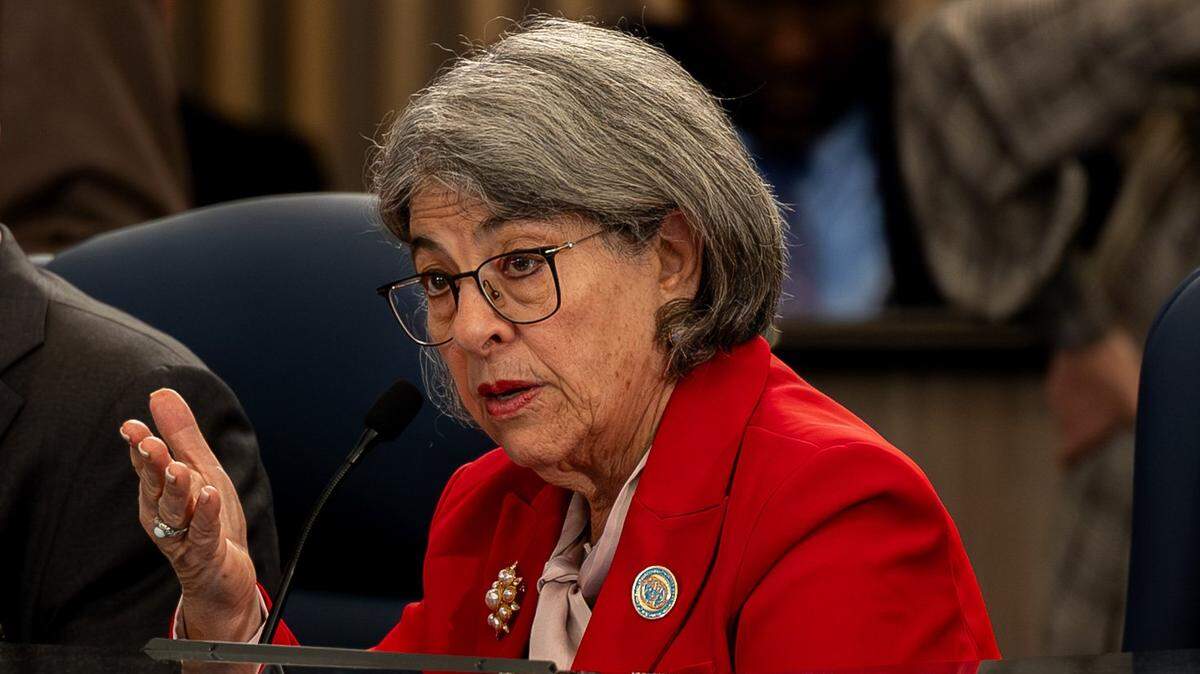

Facing the potential loss of hundreds of millions in annual revenue, Miami-Dade Mayor Daniella Levine Cava isn’t just battling Gov. Ron DeSantis’ property tax overhaul. She’s also facing hits from Republican lawmakers who represent her own backyard — and who say the county’s spending habits help make the case for the governor’s proposal to reduce the amount of money homeowners pay to their local government. As senators on Monday debated a constitutional amendment that would ask voters to approve sweeping property tax cuts, two Miami-Dade Republicans pointed to county commissioners’ taxpayer-funded security details as Exhibit A for why local governments need less money from taxpayers and more restrictions on how they spend it. “Many of them have, essentially, a full-time sergeant-at-arms in a Grand Wagoneer,” said Sen.
Bryan Avila, the Miami Springs Republican sponsoring the Senate proposal. Sen. Ileana Garcia was even more blunt, saying the sergeants-at-arms assigned to commissioners act as “bodyguards” and “UberEats.” Their comments came as lawmakers considered a proposal that could significantly limit local governments’ ability to raise property tax revenue. They underscored a divide between Miami-Dade’s elected leaders and some members of its legislative delegation as county officials warn the proposal could slash local revenues by hundreds of millions of dollars.
Levine Cava, a Democrat, has warned the DeSantis plan would mean significant cuts to services in Miami-Dade if passed by voters. Her administration said the proposal would cost the county about 20 cents of every dollar of property taxes collected by Miami-Dade, an historic reduction to the top revenue source for police, jails, ambulances, parks and other core services. “There is a profound difference between thoughtful, sustained tax relief and what the state is now proposing: the wholesale dismantling of the property tax system that funds the essential services that make our community run,” Levine Cava wrote in a recent Miami Herald opinion essay. The administration estimates a $697 million loss in property-tax revenues – mirrored by $697 million in tax reductions for property owners. Levine Cava is managing the fallout of the run-up in county spending since her election in 2020, when a surging real estate market and federal COVID aid let her and county commissioners fund rental assistance, tax breaks for low-income seniors, and a surge in charity grants.
Tax cuts came too, with the commission approving back-to-back 1% reductions in the countywide property tax rate. Now expenses are exceeding revenues, forcing Levine Cava last year to warn of a $400 million budget gap that forced austerity measures to keep spending balanced with income.
But with most tough choices avoided – Levine Cava dropped plans for a cut in charity aid and commissioners rejected her plan to raise transit fares – the 2027 budget process is looking to be painful, too. In their comments, Republican lawmakers did not offer suggestions for major spending cuts that would be needed to absorb the kind of revenue loss the administration predicts. A Herald analysis of budget data earlier this year found that of the $3.2 billion in property taxes the county collects, about 68% goes to five spending categories: Fire Rescue, the Sheriff’s Office, jails, the Jackson Health hospital system and transportation. That includes the county’s transit system, where a half-percent sales tax and fares aren’t enough to cover operations.
It’s not just Republican lawmakers that support the plan Levine Cava warns will be catastrophic. Last year, a majority of county commissioners passed a symbolic resolution endorsing a state elimination of property taxes on primary residences. That would have gone further than what DeSantis proposed, but reflects the political popularity of a tax cut. The proposal lawmakers ultimately approved was narrower than DeSantis’ original call to eliminate property taxes altogether for Floridians who own the homes where they live.
Senators amended the measure to preserve funding for public schools and maintain local governments’ ability to levy property taxes for core services, changes supporters said would protect essential government functions while still giving voters a chance to weigh in on tax relief. Still, debate in the Senate repeatedly returned to Miami-Dade. Avila argued the county’s spending decisions illustrate why taxpayers want stronger limits on property taxes, citing both commissioner security details and Miami-Dade’s decision to delay addressing a projected $400 million budget deficit. “We see a lot in Miami-Dade County, and I do recognize — Miami-Dade is its own thing. Only in Dade,” Avila said. “This amendment was really meant to rein down on some of that wasteful spending while at the same time providing the flexibility for those core functions of government.” Garcia said county leaders had failed to make meaningful spending cuts despite months of warnings that Tallahassee was considering property tax changes. “I do have a problem with some of the misuse down in Miami-Dade County,” Garcia said. “I never saw any of them in Miami-Dade County go in and try to cut out some of the fat that they had in their budgets.” And the criticisms weren’t just coming from Republicans.
Sen. Jason Pizzo, a former Miami-area Democrat who recently left the party and now serves as an independent, briefly joined in on the Miami-Dade dogpile. “I think it’s pathetic what Miami-Dade spends on,” Pizzo said. “I don’t want to see trips to Qatar and parades and stages and all these events anymore.” Levina Cava’s office on Friday pushed back on lawmakers’ claims of wasteful spending, saying in a statement that Cava’s administration has cut the property tax rate twice to its lowest level since 1982 while balancing budgets through significant fiscal challenges. The mayor’s office said the county has reduced executive salaries, consolidated departments and eliminated positions through its WISE305 efficiency initiative while maintaining core services without raising taxes. “Miami-Dade continues to operate a lean, efficient government,” the mayor’s office said. In a text message on Friday, Avila stood by his argument. “Miami-Dade County government is showing signs of a system under strain.
Years of neglect, mismanagement, and shortsighted decision-making have left some of our most important public assets and services facing serious challenges,” he said. “Whether it’s transportation, solid waste, Miami International Airport, or PortMiami, the story is the same: problems are growing while solutions remain elusive. Residents deserve competent leadership, responsible stewardship, and a government that delivers results—not excuses.” Garcia was not immediately available for comment.
While several Democratic and Republican lawmakers on Monday agreed with Avila’s critiques of his home district, they questioned whether lawmakers were crafting a statewide policy based on frustrations with one county government. Miami-Dade emerged so often that lawmakers began asking if the county was the sole reason behind the ballot amendment. Sen. Gayle Harrell, a Stuart Republican, bluntly asked: “Everybody was telling these horrible stories about Miami-Dade.
Are we writing this bill because of Miami-Dade?” Sen. Tom Wright, a Republican from Port Orange who ultimately voted for the measure, said parts of the governor’s initial proposal “scare the bejeebers out of me,” and that he worried fiscally responsible local governments would be swept up in reforms aimed at places with spending problems. “Because you’re from Miami-Dade, perhaps you were the right choice to promote that we need to clean house.
But not every city in the state, not every county in the state, has bad actors,” Wright told Avila. “In my particular district, fortunately for me, it’s not like Miami-Dade, apparently.” Sen. Tina Polsky, a Democrat from Boca Raton, also challenged supporters’ argument that excessive local spending justified the proposal. “You might think it’s excessive, something that’s going on in Miami-Dade,” Polsky said. “But that doesn’t mean someone voting in another part of the state feels or even knows that they have excessive taxes being taken out.” “Who’s not going to vote against excessive taxes?” she asked. “But, again, who’s deciding that something is excessive or not?” Avila told lawmakers that the ballot amendment in “no way, shape, or form had “anything to do with Miami-Dade. Miami-Dade County government is an absolute disaster. …and quite frankly, I don’t, I don’t know if there’s ever going to be a fix to that.”