
International
Hong Kong property recovery tested as bigger student housing deals gain traction
scmp.com
•31 May 2026, 4:00 AM

Hong Kong’s student housing sector is entering a new phase as larger institutional-style deals emerge from the city’s distressed commercial property market, signalling that professional investors are cautiously returning after years of falling asset values. Investors and analysts said the market was moving beyond the smaller hotel conversions that dominated the past two years, with more sizeable transactions expected as financing conditions improve, distressed sales accelerate, and buyers hunt for assets capable of generating stable income. “This year and next year, there will be more sizeable transactions,” said Kavis Ip, CEO of Centaline Investment. The clearest example came last month when Centaline acquired the Regal Oriental Hotel in Kowloon City for HK$1.52 billion (US$194 million), in what is set to become Hong Kong’s largest private student housing estate with about 1,500 beds. Unlike earlier student housing projects typically backed by smaller private investors, the Regal deal was structured with an equity partner and sized for eventual exit to institutional buyers such as insurers, sovereign wealth funds and private equity firms. “We always wanted to do deals of this size,” Ip said. “Large institutional-grade assets create a completely different buyer pool when you eventually exit.” The growing interest in student accommodation follows years of sharp declines across Hong Kong’s commercial property market, as high interest rates, weak office demand, oversupply and China’s economic slowdown battered asset values and transaction activity.
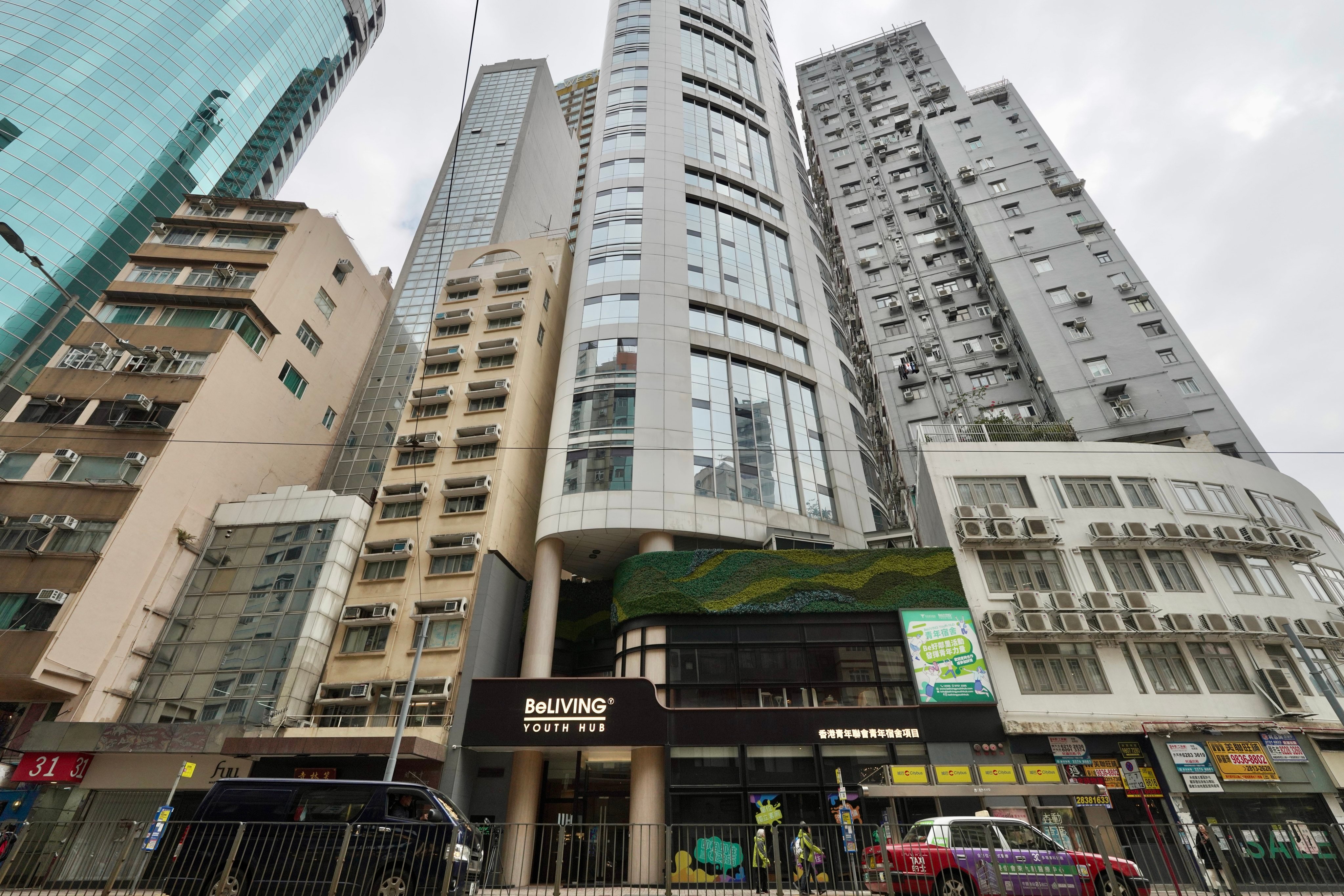
Momentum is particularly strong this year, with at least five hotel-to-student accommodation transactions recorded by May. Among the largest deals alongside Regal hotel, CR Longdation acquired the four-star Hotel Cozi Oasis in Kwai Chung for HK$954 million in May, while Asia-based fund Templewater bought Ovolo Southside in Wong Chuk Hang for HK$500 million in March. Flexible living operator Dash Living also acquired BeLiving Youth Hub for HK$360 million in February, while the HK$183 million sale of M1 Hotel North Point is expected to lead to another student housing conversion. These deals emerged from a downturn that pushed investors towards hotel-to-student-housing conversion, an asset class capable of generating steadier recurring cash flow, supported by rising overseas enrolment and government efforts to position Hong Kong as an international education hub.
At the same time, financing conditions have started to improve. Professional investors accounted for a larger share of transaction volume than end users for the first time in three quarters, signalling improving confidence among institutional buyers. The one-month Hong Kong interbank offered rate fell by 84 basis points during the quarter despite unchanged best lending rates, easing pressure on leveraged investors and improving acquisition economics. Banks have meanwhile become increasingly willing to push distressed asset disposals after sitting on troubled property loans for much of the downturn. “Before, many lenders thought prices were not good enough to sell,” Ip said. “Now they are pushing owners to transact.” That has accelerated price recovery across the market and brought larger assets into play, including hotels historically held by major local conglomerates reluctant to sell.
According to CBRE, Hong Kong recorded 14 distressed-asset transactions worth HK$8.7 billion in the first quarter alone, while hotel investment volume surged to HK$3.5 billion as investors targeted student housing conversion opportunities. Most of the buying has been driven by local capital. Hong Kong investors accounted for 79 per cent of total investment value during the quarter, the highest share since late 2021, as domestic funds and long-term investors moved into discounted assets. “The hotel market has already bottomed,” Ip said. “When prices were at their cheapest, most people did not buy. Once the market starts rising, buyers come back.” Still, any broader recovery in Hong Kong’s commercial property market remains highly selective.
When asked if the momentum in student housing would drive a wider commercial property recovery, Ip acknowledged it would have some impact as the office sector had stopped declining in recent months and property values were beginning to find support. But Ip cautioned against expecting a market frenzy. “Ultimately, it is market-driven; you cannot just buy whatever you want,” Ip said.