
Sports
New study warns Mumbai residents may feel far hotter than temperatures show
mid-day.com
•30 May 2026, 4:00 AM
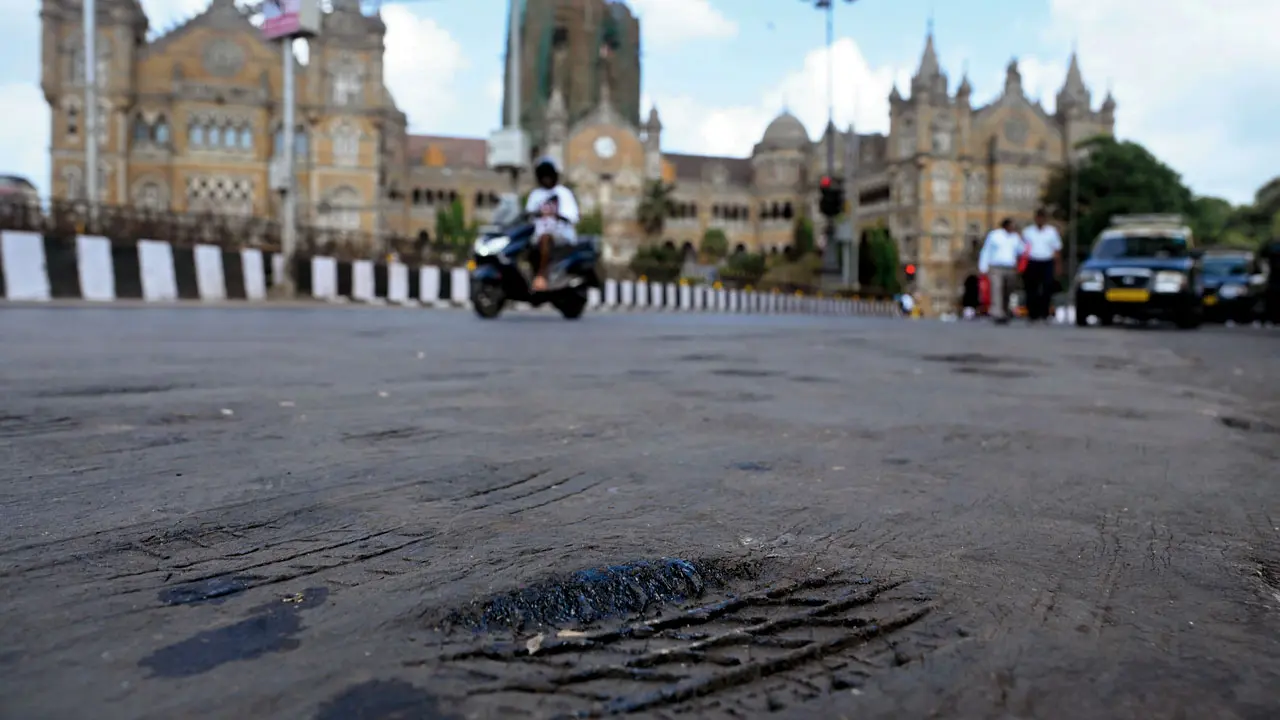

Mumbai is projected to become significantly hotter wetter and more humid by 2040 with residents likely to experience heat more intensely than what thermometers record due to rapid urbanisation shrinking tree cover and increasing concreting according to a new study by Azim Premji UniversityThe report Indian Coastal Regions Climate Projections 20212040 forecasts rising temperatures increased humidity more days above 40degC and nearly two additional weeks of heavy rainfall annually The changes could have farreaching consequences for public health infrastructure and livelihoods particularly among vulnerable communities such as KolisHeat rising from railway tracks creates a miragelike effect as railway workers carry out maintenance work near Bandra station PicSatej ShindeWhy Mumbai could feel hotter than the forecastThe study says actual human experience of heat will increasingly depend on neighbourhoodlevel urban conditions rather than citywide temperatures aloneFactors that worsen heat Concrete roads Cemented footpaths Loss of tree cover Reduced green spaces Highrise buildings trapping heat Direct exposure to sunlightThese conditions create localised heat pockets often referred to as urban heat islandsExtreme weather to become more commonHotter days Mumbai could see nearly two additional days every year with temperatures exceeding 40degC The warning comes months after Mumbai recorded its hottest March day in five years touching 40degC this year mdash about 6degC to 7degC above the seasonal average the previous instance was on March 28 2021 when temperatures reached 409degCMore heavy rain daysThe report projects 124 more heavy rain days 42 days each monsoon season recording more than 20 mm rainfall This translates into an extra weekandahalf of intense rain every yearCase study Bandrarsquos heat spikeIn May this year Bandra recorded a local temperature of 39degC while Mumbairsquos official temperature hovered between 34degC and 35degCAccording to the study these local factors may have amplified the heat Absence of large trees Extensive concretisation Cemented footpaths Reduced shade coverThe bigger concern Warmer nightsThe study says rising temperatures during nights and winters may have a greater impact than hotter afternoonsWhat the report saysldquoWhile mean maximum temperatures are projected to increase by approximately 15degC minimum temperatures during winter are set to depart by 21degCrdquoCommunities likely to be affected Koli fishing communities Daily wage workers Street vendors Construction workers Residents in densely built neighbourhoodsWhat is relative humidityRelative humidity RH measures the amount of moisture present in the airWhy it mattersHigher humidity makes it harder for sweat to evaporate from the bodyAs a result Heat feels more intense Risk of heat stress rises Outdoor work becomes more difficult Recovery from hot weather becomes slower