
Climate
Opinion | Energy now a focus of US-China contest of the century
scmp.com
•5 June 2026, 10:01 PM
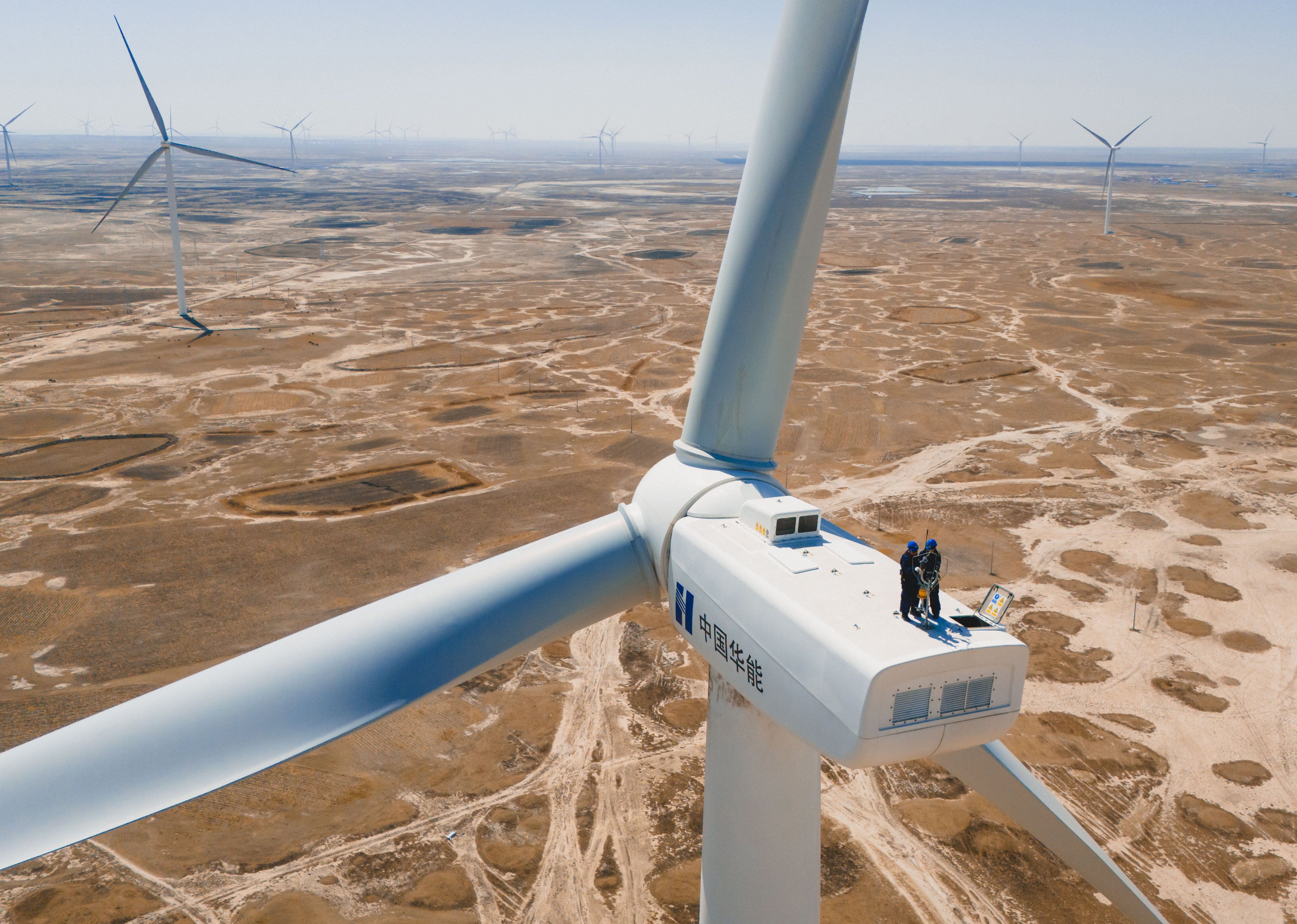

Given that control over energy reinforces superpower status, the contest of the century has morphed into an intense rivalry between China, a rising “electrostate”, and the United States, the world’s hydrocarbon hegemon safeguarding its position. China recognises that electricity drives its economy.
Despite being a major producer of coal, crude oil and natural gas, China remains an importer of these hydrocarbons. However, with strategic patience, through its five-year plans, the country has been diversifying into alternative energies, including solar, wind, hydro and nuclear energy.
Last year, China’s non-fossil-fuel power capacity surpassed that of fossil fuels for the first time – grid-connected wind and solar capacity alone now exceeds its coal capacity. Moreover, electricity generation using renewable sources has become cheaper than power generated by burning fossil fuels. By making energy security a priority, rapidly decarbonising and cutting pollution through the transition to renewable energy, China has become the global leader in solar panel, wind turbine, battery, electric vehicle and grid technology. The US, on the other hand, became the world’s top oil producer in the 19th century after the first oil wells were drilled in Pennsylvania.
Today, it can produce 13.6 million barrels of oil daily and over 30 trillion cubic feet of natural gas per year. It is not only energy secure but also a net exporter, especially after shale oil production came on stream in the 21st century.
As a result, the American system relies on fossil fuels to generate nearly 80 per cent of its energy. The US’ status as hydrocarbon hegemon is thus secured by its strong position in the global hydrocarbon trade and provision of the required maritime security. The effective closure of the Strait of Hormuz has revealed a clear and present “chokepoint” danger to the global hydrocarbon supply chain. Iran supplies 90 per cent of its oil exports to China, and the Hormuz Strait handles about 25 per cent of the world’s seaborne oil trade.
Its closure caused oil prices to spike past US$100 per barrel. The uncertainty of supplies has huge implications for the provision of feedstock for fertilisers, and so affects not just goods prices but also global food production. Resolution of the Hormuz crisis is in the US’ interest as it would stabilise oil prices. Higher prices hurt American consumers and benefit oil producers like Russia, which earns most of its foreign exchange from exporting oil and gas.
Despite divergences in energy policies between the world’s two top economies, there are mutual dependencies. Because China controls most of the world’s clean energy supply chain as well as the processing of lithium, cobalt and rare earths, the US cannot totally disengage from China if it still seeks to build up alternative energy capacity.
Meanwhile, China has imported over 40 per cent of its natural gas supply in recent years, and about three-quarters of its crude oil consumption, and therefore relies on freedom of the seas and maritime routes even as the US maintains a large naval presence globally. The rivalry in artificial intelligence (AI) and robotics, drone technology and military equipment hinges on electricity supply, since AI data centres are very power-hungry. It will also take time for the US to build its electricity generating capacity as well as data-centre processing capacity. Expect serious disruptions in energy supply to become a fundamental determinant of the outcome of the US-China rivalry in the coming decades.
It is no longer so clear who between Washington and Beijing will win the race to “net zero”. US President Donald Trump has abandoned federal regulations on greenhouse gas emissions. More recently, with fewer oil imports from Iran and higher petroleum prices, China is considering relying more on coal-fired power plants to meet its domestic energy needs.
However, China will most likely double down on its wind and solar capacity, while also increasing the use of smaller nuclear power plants. The goal is to be as energy independent as possible. If the Strait of Hormuz is closed for a long time, oil and natural gas prices will remain higher for just as long, risking a global recession. Other countries may also double down on their own food, energy and water security, meaning that disruptions to key supplies must be factored into overall growth and development models.
With governments increasing national defence budgets, as well as spending on food, water and energy security, global fiscal deficits are likely to rise. Furthermore, global warming will certainly add more stress with this year bringing more record-breaking heatwaves. If highly water-stressed countries face more drought, forest fires and violent tropical storms, global inflation and social unrest will increase. When it comes to allocating resources, the key to greater global economic stability is the willingness of communities or nations to spend less on wasteful consumption in favour of dealing with the climate crisis.
Another priority must be ensuring food, water, energy and resource security. We must work collaboratively at the regional, if not the wider multilateral level, to address common threats. The world needs greater resilience at the local level because sustainability demands that we survive before we can thrive. The next decade will define the outcome between the top two economies.
The optimists think a positive outcome for both, as well as the rest of us, is possible. The pessimists fear war. One outcome may be that intense competition forces all of us to collectively create a sustainable future.