
Health
Parents’ consent required for HPV vaccinations in schools
sanpedrosun.com
•23 May 2026, 10:01 PM
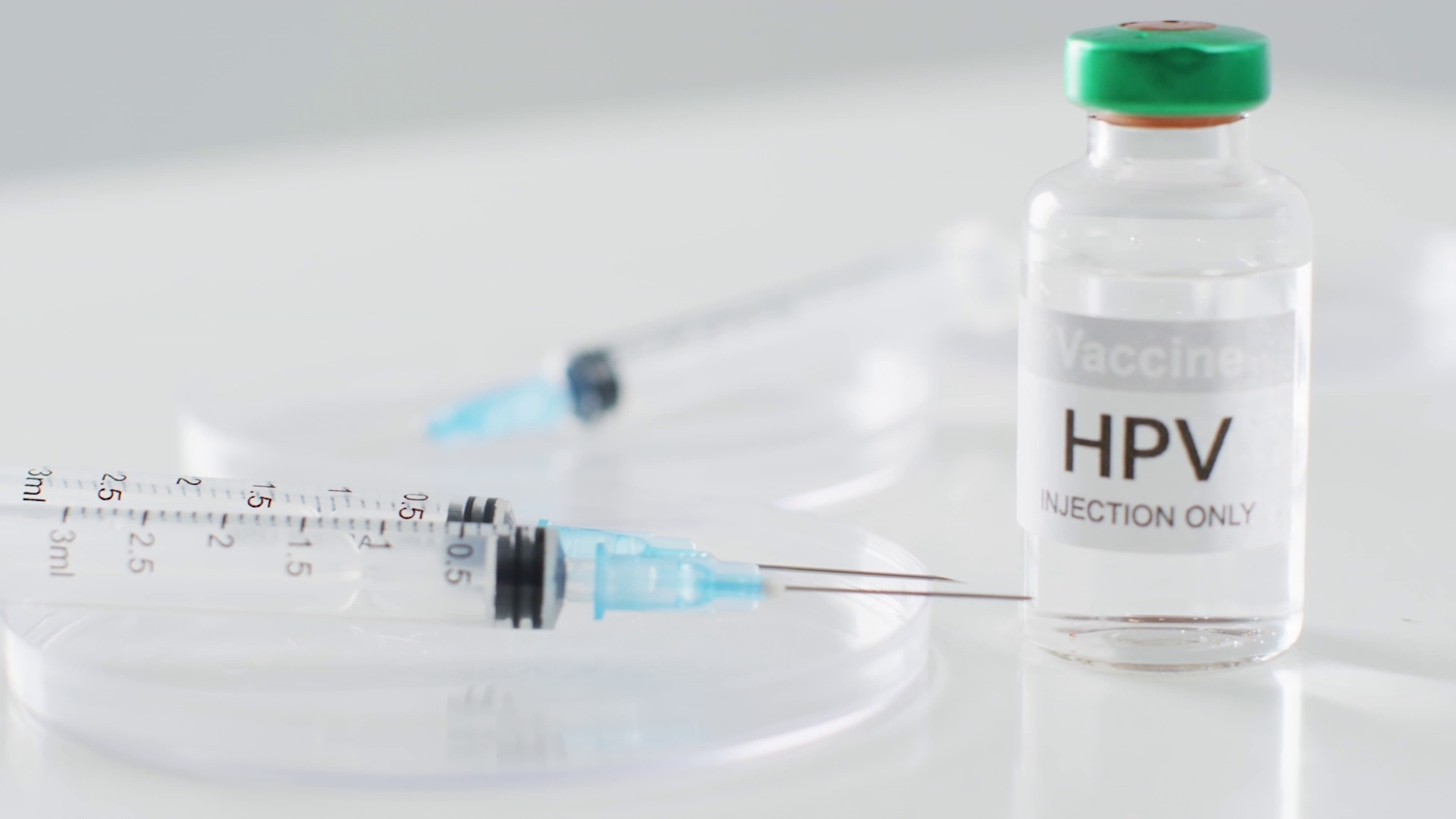

Over the past several days, the topic of the Human Papillomavirus (HPV) vaccine has sparked debate between certain schools, particularly those under the Catholic Diocese, and the Ministry of Health and Wellness (MOHW), after concerns were raised about its administration in schools. Church officials have opposed administering vaccines on school compounds without parental involvement, instead supporting the position that parents should be the primary decision-makers regarding their children’s healthcare. In a press release issued on May 14th, the Catholic Church stated that parental consent should be given only after adequate disclosure of the vaccine’s benefits, risks, and alternatives, and after a proper understanding of the medical information provided. The statement also noted that decisions regarding the HPV vaccine are best made within a clinical setting between healthcare professionals and families.
The HPV vaccine protects against infections caused by the human papillomavirus, which can lead to cervical, vaginal, vulvar, anal, and throat cancers, as well as genital warts. According to international health research, the vaccine is routinely recommended for children ages 11-12, although it can be administered beginning at age nine. In Belize, the MOHW has already launched its HPV vaccination campaign in schools, starting with students in Standard Four. The campaign’s primary objective is to help protect children from HPV-related cancers later in life through early immunization.
The vaccination campaign has not yet been reported in San Pedro Town, Ambergris Caye. Several island residents who spoke on the issue expressed mixed opinions. Some said that if the vaccine helps prevent cancer, children should receive it, while others believe there should be a broader public education campaign explaining the vaccine’s benefits, risks, and possible side effects before implementation. MOHW Technical Advisor for Maternal and Child Health, Dr.
Natalia Beer, reiterated that parental consent is required before the vaccine can be administered to students. “We make sure parents have the opportunity to receive information about the vaccine, what the objective is, and any other questions they may have before they even sign the consent form,” she said. “We have to acknowledge that cervical cancer and these other HPV-related cancers can be prevented with the vaccine.” Beer added that during an oncology clinic held in April, 19 women with cervical cancer were evaluated, with some requiring surgery. She emphasized that scientific evidence continues to show that girls who miss the HPV vaccine face a significantly higher risk of developing cervical cancer later in life. A statement from the Ministry of Education noted that it remains committed to working closely with the MOHW in support of national public health initiatives, including school-based vaccination programs.