
)

India’s industrial landscape has several historic cities that played a major role in shaping its manufacturing economy. Among them, one city stands out for its deep-rooted association with textiles and cotton production, widely known as the “Manchester of India”. The nickname draws a parallel with Manchester in the United Kingdom, which rose to global prominence during the Industrial Revolution as a major centre for cotton textile manufacturing. Any guesses as to which city are we talking about?
Well, it's Ahmedabad. Why Ahmedabad is called the Manchester of India? Ahmedabad’s association with textiles dates back to the 19th century when the city rapidly developed into one of India’s most important industrial hubs. The growth of cotton mills in the region played a crucial role in this transformation.
With access to raw cotton from Gujarat’s fertile agricultural belt and proximity to the Sabarmati River, the city was well positioned for large-scale textile production. Historically, Ahmedabad became home to several cotton mills, which earned it a reputation as a thriving centre for spinning and weaving. This industrial expansion is what eventually led to its comparison with Manchester, a global textile powerhouse of its time. The rise of the textile industry Ahmedabad’s textile industry expanded significantly during the late 19th and early 20th centuries.
The establishment of modern mills brought organised industrial production to the city and created thousands of jobs. The city soon became a key contributor to India’s textile exports and domestic supply chain. Its mills produced a wide range of cotton fabrics, helping strengthen India’s position in global textile markets during the colonial and post-independence periods. Parallels with Manchester, UK The comparison with Manchester is rooted in industrial similarity.
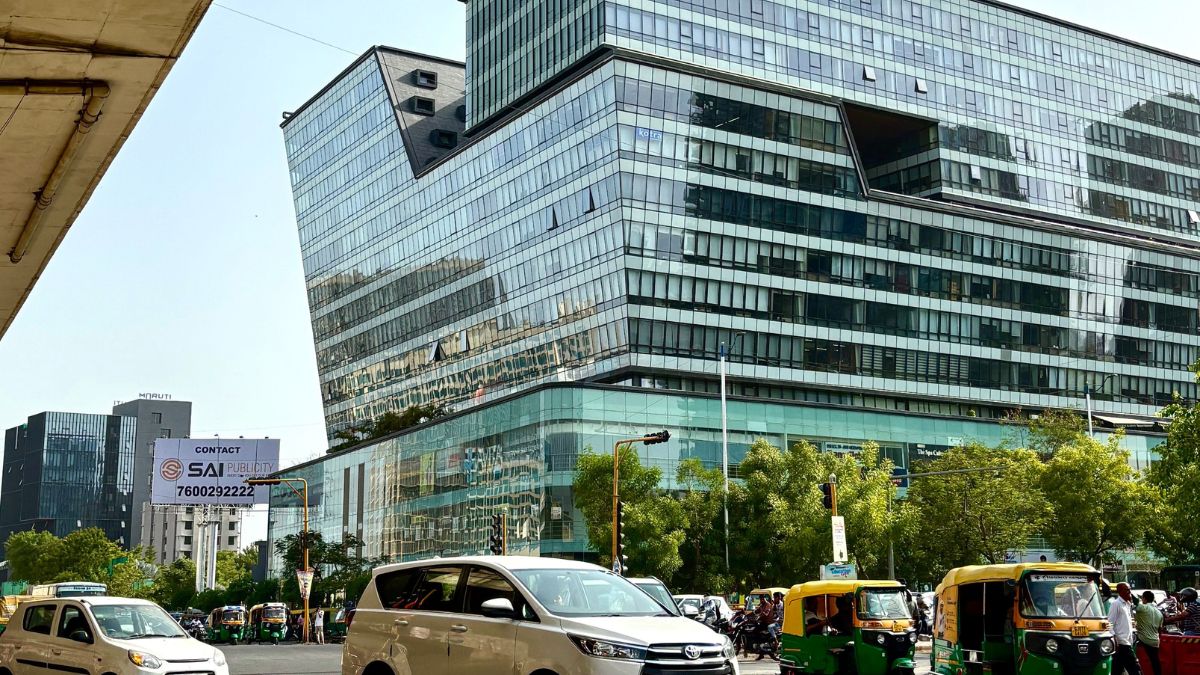
Just as Manchester became the centre of Britain’s cotton textile boom, Ahmedabad emerged as India’s leading cotton manufacturing hub. Both cities developed strong industrial ecosystems built around cotton spinning and weaving, large-scale mill production, skilled labour forces, and strong trade and export networks. These parallels led to Ahmedabad being popularly referred to as the “Manchester of India”. Beyond textiles: Ahmedabad today While textiles remain an important part of its legacy, Ahmedabad has evolved into a diversified economic centre.
Today, the city is a major hub for commerce, engineering, pharmaceuticals, and education. It is also recognised as a UNESCO World Heritage City, reflecting its historical and architectural significance. Institutions such as the Sabarmati Ashram further highlight its role in India’s freedom movement and cultural history. Other cities with similar nicknames Interestingly, the title is not exclusive to Ahmedabad.
Coimbatore in Tamil Nadu is often referred to as the “Manchester of South India” due to its strong textile and industrial base. However, when it comes to the original and most widely accepted title within India, Ahmedabad remains the city most commonly known as the Manchester of India.